Stealthy Good is what it looks like.
Stealthy Good is a small AI consultancy based in Boone, North Carolina. We work almost exclusively with mid-market companies between $10M and $500M in revenue, where the next AI decision is going to land on three or four people and there is no Chief AI Officer to own it.
We named the firm Stealthy Good because the alternatives were taken, and because most of the work is the kind that nobody sees from the outside: running the right meetings, killing the wrong initiatives, writing the memos that keep a board honest. The goal is not to be the loudest firm. It is to be the firm our clients would recommend without being asked.
Who we’re good for
- Mid-market CEOs, COOs, and owners who need senior AI judgment, not more pitch decks.
- Teams with real operational complexity: manufacturing lines, clinical workflows, regulated data.
- Companies with an AI initiative that has to actually get off the ground — not studied, launched.
- Product teams whose next AI feature will live or die on what the end user experiences, not what the benchmark says.
- Executives who want one person to push back on the vendors, instead of three people forwarding vendor emails.
Who we’re not for
- Series-A startups trying to pick a model API. Pay someone $5k for an afternoon and you’ll be fine.
- Fortune 100s staffing an internal AI org. You need a different firm and probably a different zip code.
- Companies looking for a chatbot on their website. Someone will build you one for cheaper.
- Anyone who thinks “AI strategy” ends with a slide deck.
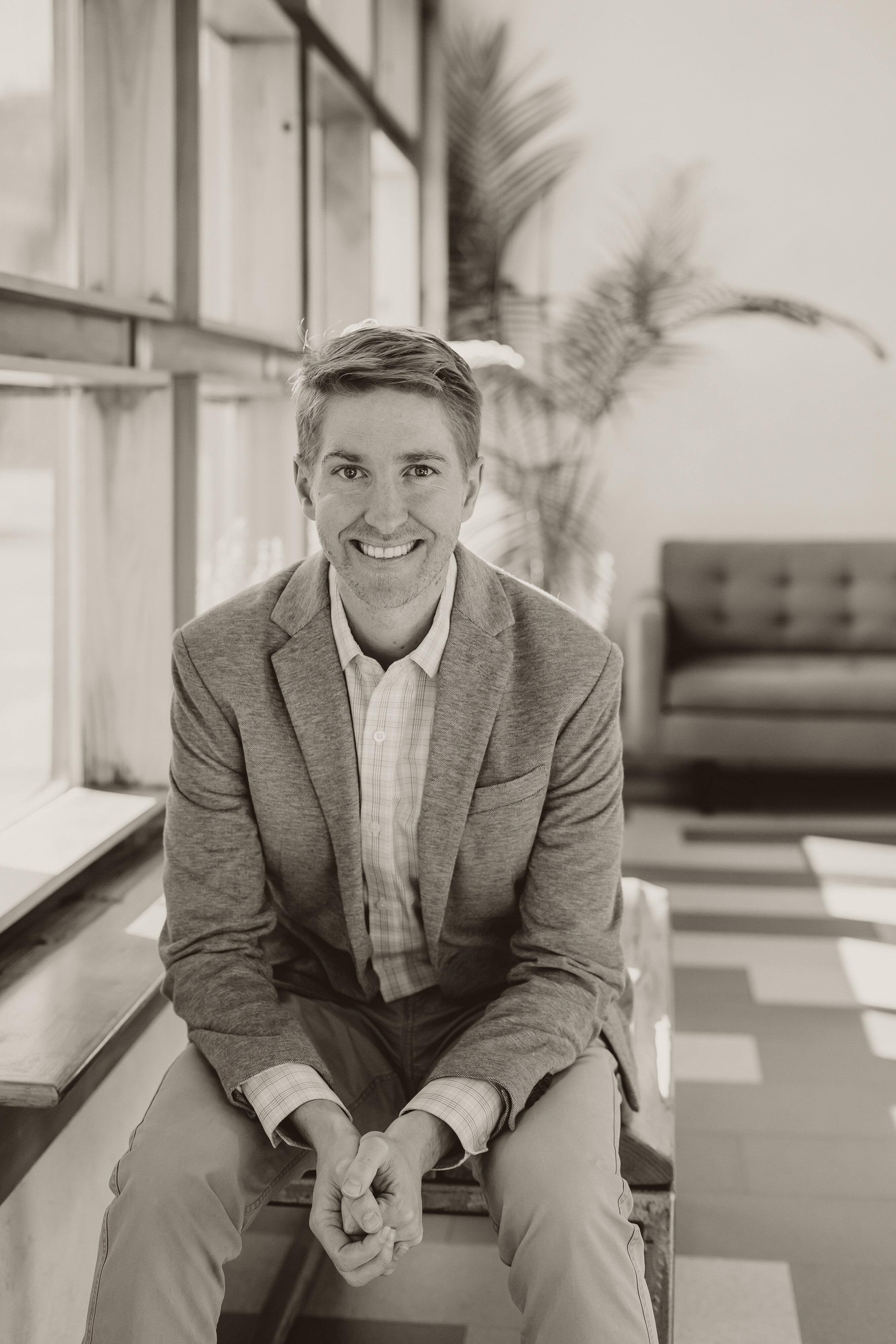

Aaron.
Aaron has spent two decades building companies, launching new things, and solving problems with technology — usually as the person a CEO called when a new initiative had to get off the ground, or when the first vendor hired to do it didn’t work out. The through-line is a strange combination: problem solver by temperament, obsessed with what the end user actually experiences when they touch the thing, and the guy who picks up the zero-to-one work that otherwise falls on the floor. AI is the current vehicle; the underlying interest is older — use the best tools available to solve a real problem for a real person, and get it built and in front of them before the market moves on.
He started Stealthy Good in 2024 after enough CEOs asked the same three questions in the same order: where do we start, what should we stop, and who do we listen to. If the answer was always going to sound the same, it seemed reasonable to set up an office to say it from.
The method hasn’t changed in twenty years. Do the reading, visit the operation, watch real users use the thing, form a real opinion, and then say it out loud in a room with the people who have to live with the result. Most AI strategy isn’t hard in principle. It’s hard because nobody wants to tell a CEO that last quarter’s purchase was a mistake, or that the feature the team is about to ship will land badly with the customers it was built for. That is, in part, the job.
He lives in Boone, North Carolina, with his family. The firm takes a small number of retainers at a time, which is how it stays the firm that it is.
Three pragmatic rules.
Operating principles for how engagements actually run. Not values. We have values, but you don't need a website to find them.
- 01
Aaron is the person in the room.
You hire us, you get him. If we bring in a specialist for a build, you’ll meet them and know why. No mystery pods. No account manager as a firewall.
- 02
We tell you when to stop.
A CAIO retainer that runs forever usually means somebody stopped paying attention. We will actively flag when the work is done and wind the engagement down.
- 03
We don’t resell, we don’t take kickbacks.
No vendor referral fees, no reseller agreements, no “strategic partnerships” with the tool we’re about to recommend. You need to know our advice is unconflicted, and it is.