Most AI projects fail.
We help you pick
the ones that won’t.
Stealthy Good is a small AI consultancy for mid-market companies. We set the strategy, prioritize the work, and push back on the vendors. No pods of juniors. No slide decks that end with a second slide deck.
Mid-market AI, right now.
Your board wants an AI strategy. Your inbox has forty vendors offering one. Three of your VPs have already bought something on a company card.
The good news is that real value is available. The bad news is it’s hiding inside a much larger pile of demo-ware, overfit benchmarks, and slide decks with the word “agentic” on them.
Mid-market companies don’t have the luxury a Fortune 50 has, which is to fund eight parallel experiments and see what sticks. You get maybe two or three honest swings a year. Missing on all of them is expensive; picking the wrong ones is worse.
So: someone senior has to make the calls. That’s what we do.
What a fractional CAIO actually does.
A full-time Chief AI Officer costs $400k, plus equity, plus a recruiter, plus twelve months to find one. Most companies don't need one. They need a few hours of ours.
- 01
Sit in on the executive meetings where AI gets decided
Strategy, prioritization, and vendor pushback — in the room, not in a monthly report.
- 02
Kill the projects that won’t work
Most proposed AI initiatives fail a straight-faced ROI read. Better to find out now than in Q4.
- 03
Run the initiative portfolio
Three to seven real bets at once, scored on effort, risk, and whether they change a P&L line.
- 04
Write the briefs your team builds against
What to build, why it matters, what “done” looks like, and what we will not do this quarter.
- 05
Read the vendor contracts before you sign them
Including the ones the sales team swears are “just a pilot.” Especially those.
- 06
Build when it makes sense
We’ll prototype, ship, and hand off. We’re not an implementation shop, but we’re not above the work.
Two lanes, really.
Inside the fractional role, two practices have come up enough to be worth naming. Most engagements are some of both.
- Lane 01
Claude enterprise implementation & workflow design.
Most companies adopting Claude — or any frontier model — are either YOLO-deploying it or paralyzed by governance. We do both sides: the governance framework legal and security can sign off on, and the hands-on workflow build that actually lands the model in real work. That combination is genuinely undersupplied.
- Lane 02
Product AI strategy & prototyping.
Not a slide deck telling the CEO “AI will change your industry.” A working prototype and a spec your engineering team can actually build from — a different deliverable at a different price point. And when it makes sense, we’ll ship the product too. Most strategy firms stop at the deck. We don’t have to.
A short list on purpose.
We take on three to five retainers at a time. Clients are described by industry here — that's the deal when we sign the NDA.
- CPG ManufacturingConsumer packaged goods
Replaced a six-figure “AI platform” pilot with two internal tools that actually shipped.
- Health TechHealthcare SaaS
Cut clinical document-processing time per site from 40 minutes to under 4.
- Oncology SoftwareClinical software
Stood up a clinical-grade evaluation loop before shipping a single LLM feature.
What happened, in three parts.
A six-figure “AI platform” contract was coming up for renewal. It hadn’t shipped anything a plant manager had touched.
Regulatory binders were eating forty analyst-minutes per clinical trial site. Every vendor demo looked great and broke on the second document.
The product team wanted to ship a summarization feature. The clinical team wanted to know what happens when the model is wrong.
Twenty-seven AI vendor evaluations across four business units. No central thesis. A very tired CIO.
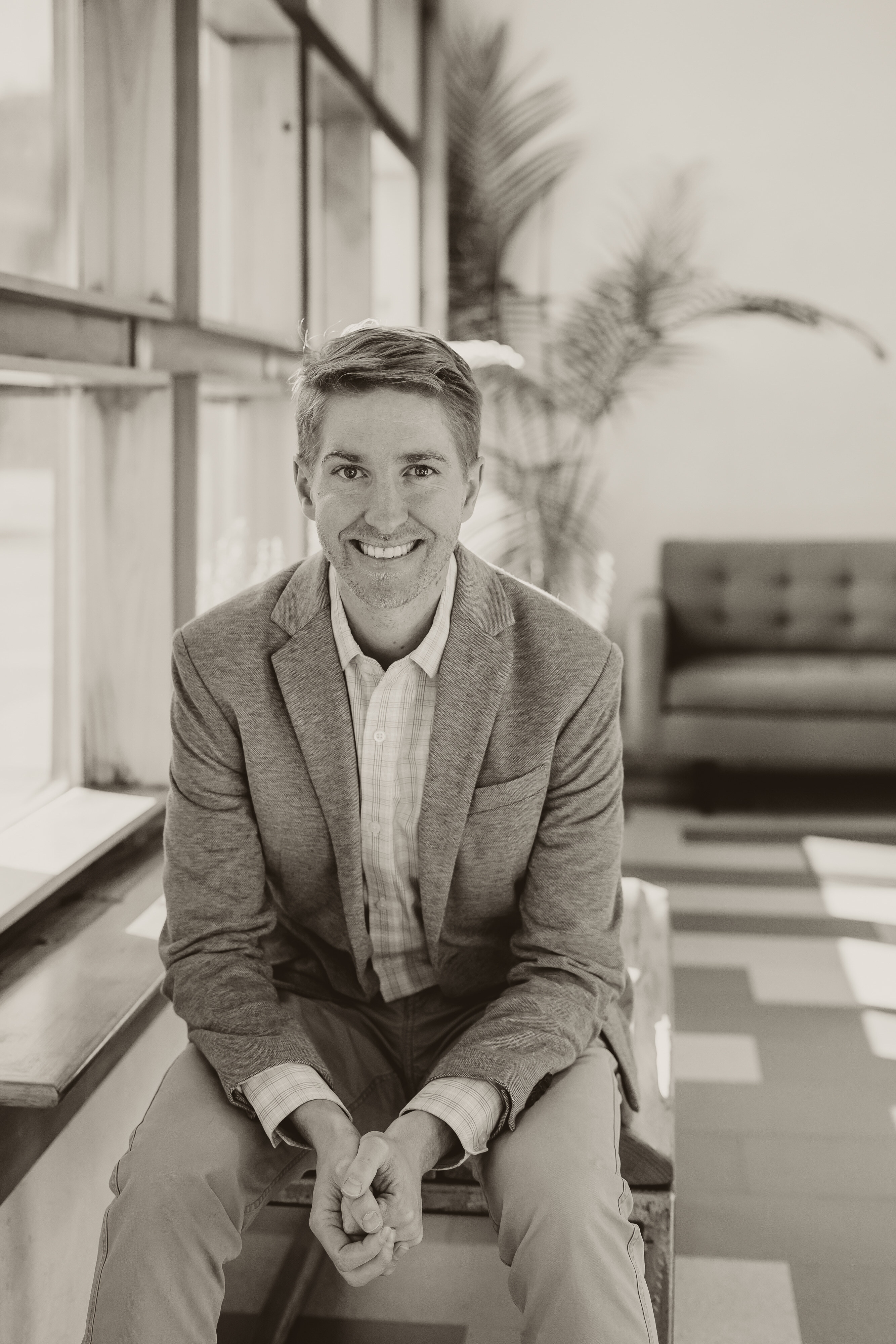
Aaron.
Aaron has spent the last decade at the junction of software engineering, data, and senior operations — building ML systems that had to actually work on Monday morning. Before Stealthy Good, that meant a mix of healthcare, manufacturing, and fintech, usually in the role of the person the CEO called when the first AI vendor didn’t work out.
He started the firm in 2024 after enough CEOs asked the same three questions in the same order. The goal isn’t scale. The goal is to do excellent work for a small number of companies, in a way that would make any of them write you a reference without being asked.
He lives in Boone, North Carolina, which is where the firm is based and which is why the meetings sometimes end early on Fridays.
Notes on AI, mid-market, and the vendor-industrial complex.
Published occasionally. Skippable entirely.
- № 003 7 min
Most of this won’t work.
On the discipline of killing AI initiatives before they eat your quarter.
- № 002 9 min
The vendor‑industrial complex.
Why the AI budget meeting is harder than it needs to be, and what to read before the next one.
- № 001 8 min
Evaluations are the product.
If you can’t tell whether the model got better, the model didn’t get better.
Questions you were going to ask on the call anyway.
What does this cost?
How long does an engagement last?
Who actually does the work?
What’s out of scope?
Are you going to tell us to build a custom LLM?
Do you sign NDAs?
If you got this far, you probably already know whether we’d be useful.
Thirty minutes, no slides, no discovery-call theatre. Bring the problem you’re actually stuck on. We’ll tell you if we can help, and if we can’t, who might.